

The Tooth, Mouth & Jaw Corner.
Here at 32 Dental Arts, we take pride in staying up to date with the latest dental industry news and information. We also take pride in educating our patients on their dental health & making sure each patient understands their available treatment options. We have established this portion of our website to help keep our patients informed. We invite you to browse the below articles and information.
-
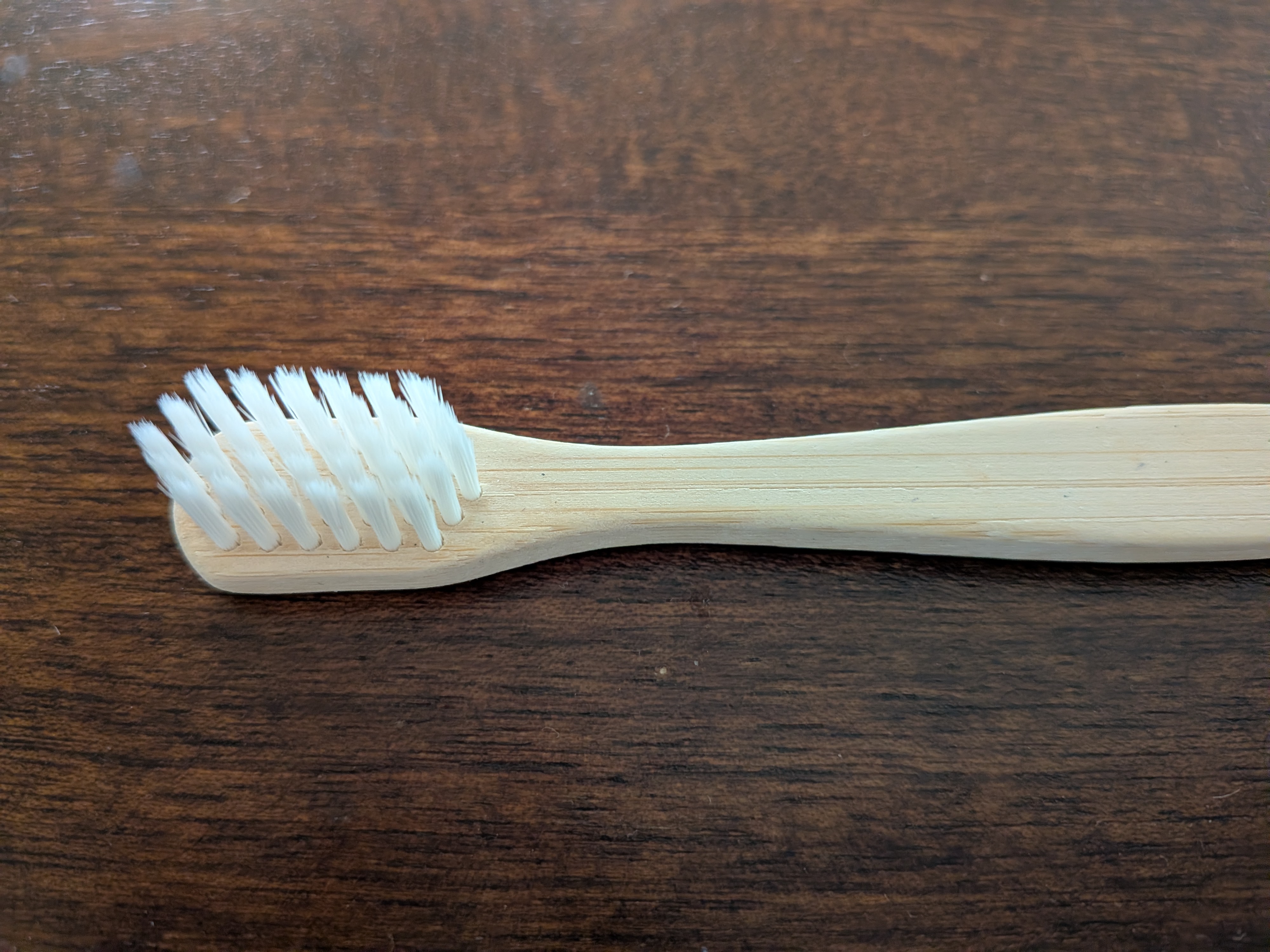
- Wash your toothbrush thoroughly after use but don't use your fingers to remove excess water from the bristles. You can dry them with a paper towel or clean towel.
-
- Store your toothbrush in a vertical position in a dry ventilated area out of the vicinity of a toilet.
-
- Keep your toothbrush away from other brushes.
-
- Change your brush head or toothbrush sooner than 3 months if it is frayed, and after an illness or cold sore breakout.
Fluoride is a naturally occurring mineral in almost all water supplies. The fluoridation level in San Diego is at the minimal adjusted level of 0.7-0.8 mg/L which is just enough to prevent tooth decay. The recent concern surrounding community water fluoridation and its possible association with lower IQ in children, is based on a report that tested fluoride levels at twice the amount found in our community water supplies. Both research and real life examples of communities that removed fluoride from drinking water, have shown increases in tooth decay. Currently, states and local municipalities are the entities that will be deciding on the removal of fluoride in drinking water.
In addition, the FDA is aiming to remove the availability of ingestible prescription fluoride supplements from the market. These supplements (such as chewable tablets) are prescribed by general and pediatric dentists to children who live in low or non-fluoridated communities and who are deemed to be at high risk of developing tooth decay. Several other factors, such as a child's diet, are taken into account before prescribing them. These are not the same products that are available over the counter such as toothpastes or mouthwashes, nor are they are the same as the fluoride gel (varnish) that is placed over your teeth in the dental office.

The fluoride found in toothpastes and rinses protect against dental cavities and acid erosion of enamel. Toothpastes that are "fluoride free", may contain other cavity-reducing agents such as xylitol and hydroxyapatite, that work differently than fluoride. The amount of fluoride found in over the counter toothpastes and rinses is low (0.05-0.3% sodium fluoride), but still beneficial and is not harmful if used correctly with the guidance of a dental professional. Some toothpastes come in much higher amounts of fluoride (1.1 % sodium fluoride, such as the 3M Clinpro™). Clinpro™ is a combination of fluoride with hydroxyapatite. Those can be only be prescribed by a licensed dentist for patients with a high risk of enamel and root decay, or acid erosion due to certain diets, extent of dental work, medications, and medical conditions. Those toothpastes are prescribed with specific instructions for use.
No two patients carry the same risk of tooth decay so each patient will require different approaches to their cavity prevention. No two teeth even in the same mouth carry the same risk of cavities or erosion. Therefore, I make sure that each patient has an individualized prevention plan for their oral health specific to their dental condition. That means getting to know your habits, diet, medical conditions, and other risk factors such as orthodontic treatment, when deciding which anti- cavity product and in what format, is most appropriate. For example, in our practice, when a fluoride varnish treatment is applied to your teeth, it is placed at the areas most at risk, and we document those specific areas in your chart. While fluoride is undoubtedly a key component in any cavity prevention regimen, it will not stop tooth decay if used incorrectly. This is why we take time to explain how even the most basic over the counter toothpaste or mouthwash should be used, and in many cases, which ones to avoid.
It is important to obtain information on fluoride from credible sources, so if you have any questions about fluoride or any other product in general, please don't hesitate to contact us directly.
February is American Heart Month and 32 Dental Arts is joining in the efforts to help with heart health! We do that by taking regular blood pressure readings on our patients and making sure that elevated readings are to be followed up with physicians. Dr. Barakat treats periodontal disease early to prevent its progression, which is being studied for potential adverse effects on cardiovascular health. Dr. Barakat also screens for sleep apnea to ensure that patients follow up with sleep studies from their physicians. Those can help identify any sleep disordered breathing known to contribute to cardiovascular diseases such as heart attacks and strokes. Cardiovascular diseases can be silent without symptoms so maintain your check ups with physicians and dentists regularly. Healthy teeth should come with healthy hearts!

Eating disorders are more common than we might think. Some 35 million men and women have an eating disorder, including athletes or those engaged in sports. Dentists can detect eating disorders such as bulimia by spotting dental damage and symptoms they can cause. Parents of children with eating disorders may or may not recognize their child may be anorexic or bulimic but dentists can detect the oral consequences of such conditions, including mouth sores, tender glands, eroded enamel, bleeding gums and sensitive teeth. So if you suspect your child to have an eating disorder, Dr. Barakat may be able to assist in recognizing the warning signs and guide you and your child to medical care, as well as help resolve the associated dental problems.

April is Oral Cancer Awareness month. About 53,000 Americans each year are diagnosed with oral or throat cancers. Oral cancer can be a silent killer with no symptoms and the person best suited to detect abnormalities in the mouth is your dentist. Regular check ups and cleaning appointments at 32 Dental Arts always include an oral cancer screening. Dr. Barakat and Erin use high illuminated magnification to view your tissues, tongue and throat. We sometimes also use the VELscope - a device that shines a blue light on the tissues of the mouth to help us visualize any abnormalities such as infections, trauma or precancerous dysplasia. No one of us can see the back of our tongues and routine medical physicals are limited in oral tissue evaluations. Let us help you stay healthy- come in and get screened!

Fluoride is not just for just kids! As adults, our saliva changes as we age and becomes less protective against decay and enamel erosion. Those with periodontal disease are at higher risk of root cavities which are very challenging to control and restore unlike enamel cavities, and can develop on the exposed roots resulting from bone loss. Fluoride varnish treatments are part of the regimen Dr. Barakat recommends to help protect exposed roots from decay. We use gluten free fluoride varnishes with a great tasting berry flavor!


Sleep apnea machines have recently been under review for their safety and the FDA is still investigating the possibility that toxic chemicals could be emitted in the materials lining the devices. If you suffer from sleep apnea and use a cpap machine, check your model and discuss it with your primary care physician. Also know that there are alternatives such as oral appliances that can also manage obstructive sleep apnea without the involvement of positive air pressure masks. Those are typically made by dentists who have knowledge on sleep devices and who can help determine if you are a candidate. Dr Barakat can help guide sleep apnea patients with the appropriate referrals.

Saliva is fascinating! Did you know that the average person will produce enough saliva to fill 2 standard size swimming pools? And unless you're a camel, your saliva should not be sticky to help with lubricating the foods we eat and it aids in digestion. It also helps protect our teeth from acids and decay with all the minerals and buffering proteins it contains. While giraffes are frequent lickers, we humans don't need to be! Our glands produce all that saliva on their own unless medications we use or stress and dehydration affect saliva production.
